Choosing 8 out of these
Welcome to the draft. We are working on selecting 8 of the 13 outlined for educational signage along the trails in Hartford Crossing Park.
Head on over to this page to vote for your favorite 8:
https://galie.wufoo.com/forms/potential-signs-for-hartford-crossing-park/
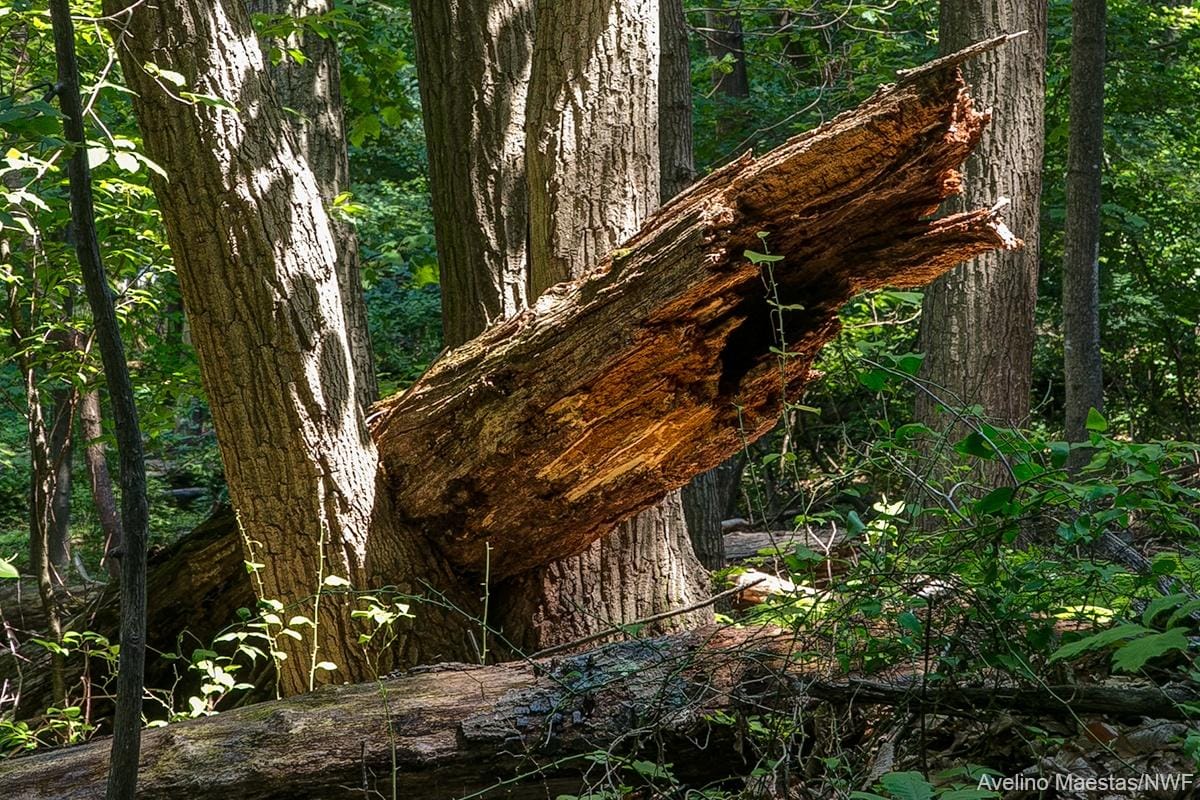
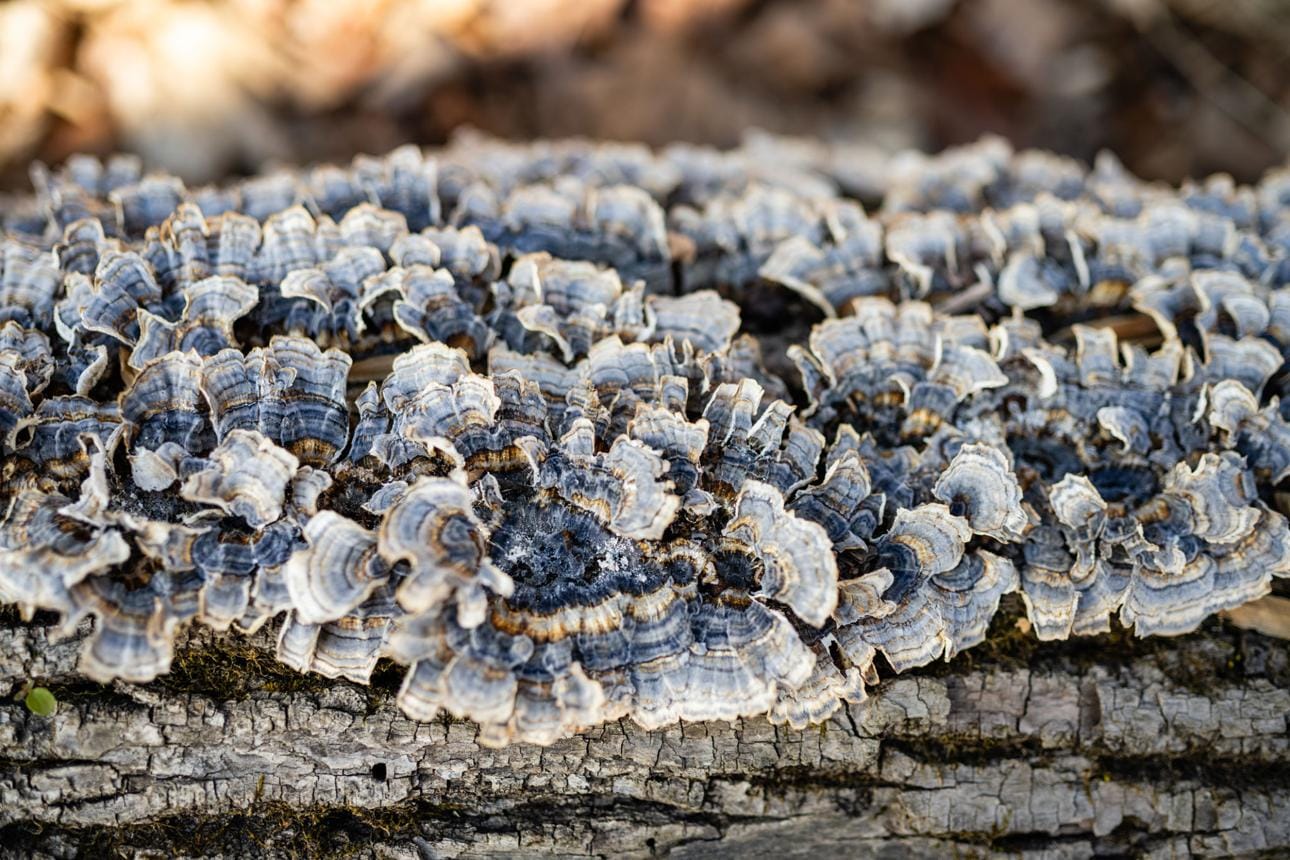
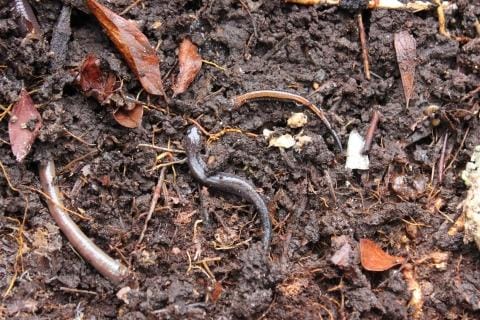
#1 🌳 Fallen Trees (Nurse Logs)
Sign idea:
“This fallen tree isn’t dead—it’s a nursery.”
Story angle:
As the log decays, it feeds fungi, insects, and moss. Over time, seedlings take root in it—literally growing out of the past generation. In NJ forests, this process is critical for species like oaks and maples.
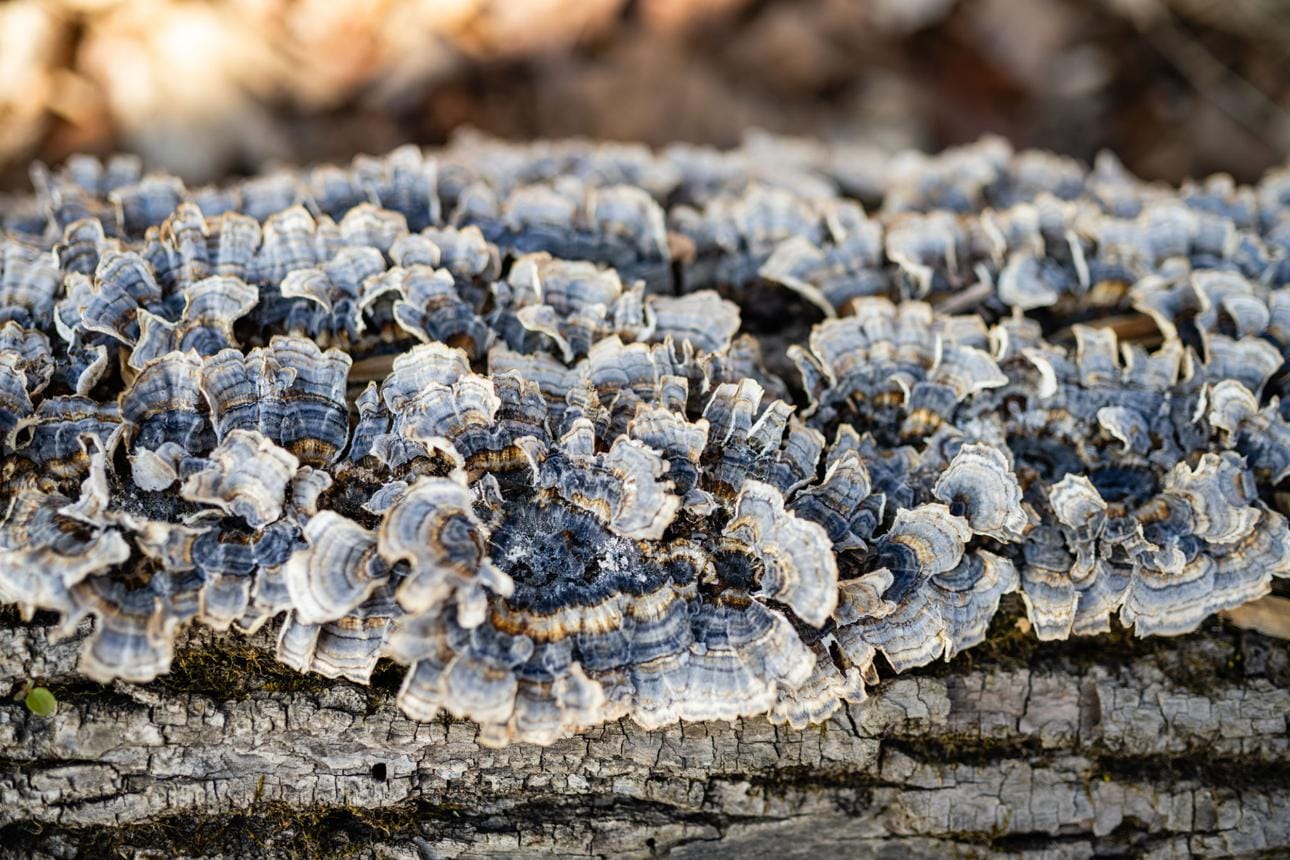
#2 - 🍄 Fungi & Mushrooms (Forest Recyclers)
Sign idea:
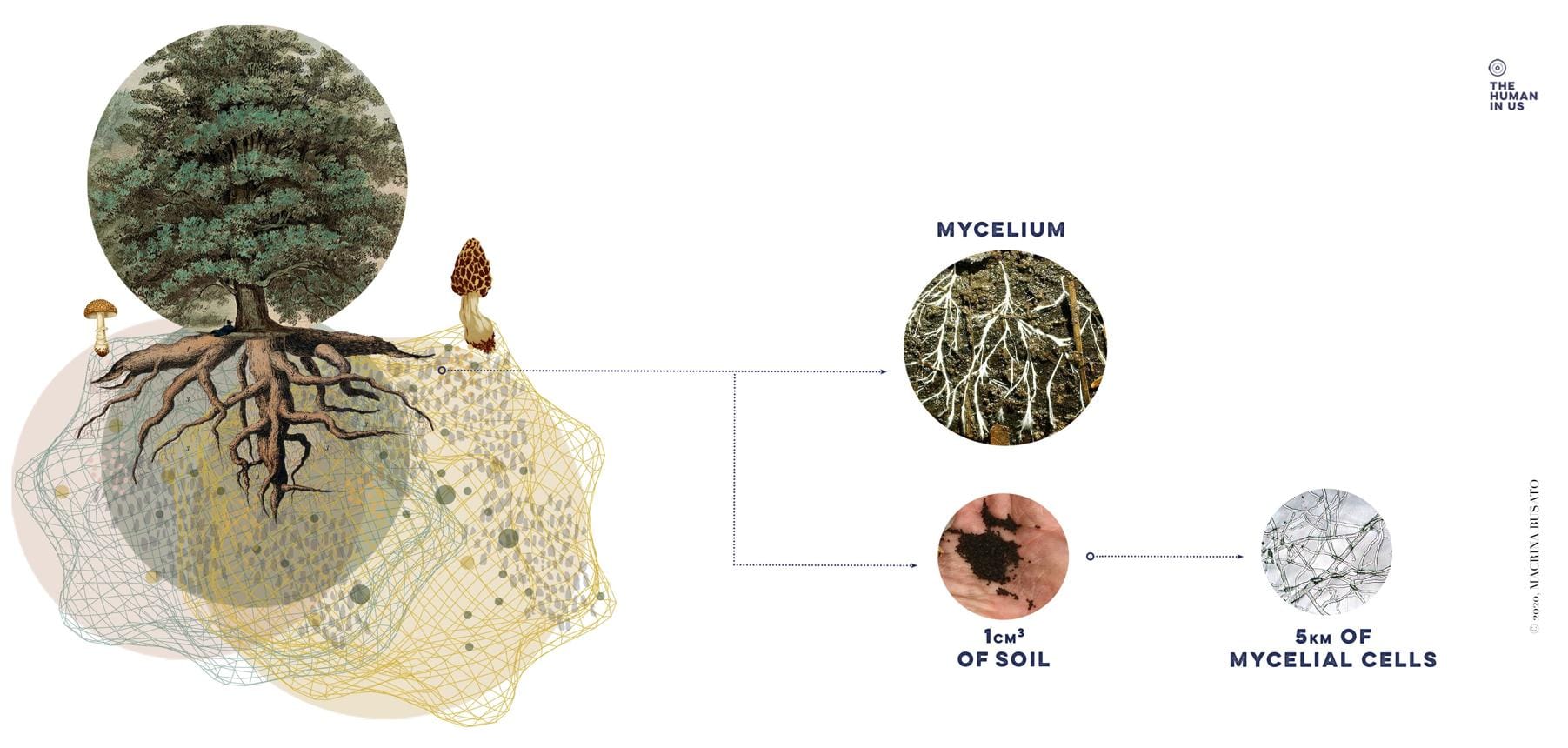
“The forest’s hidden internet lives underground.”
Story angle:
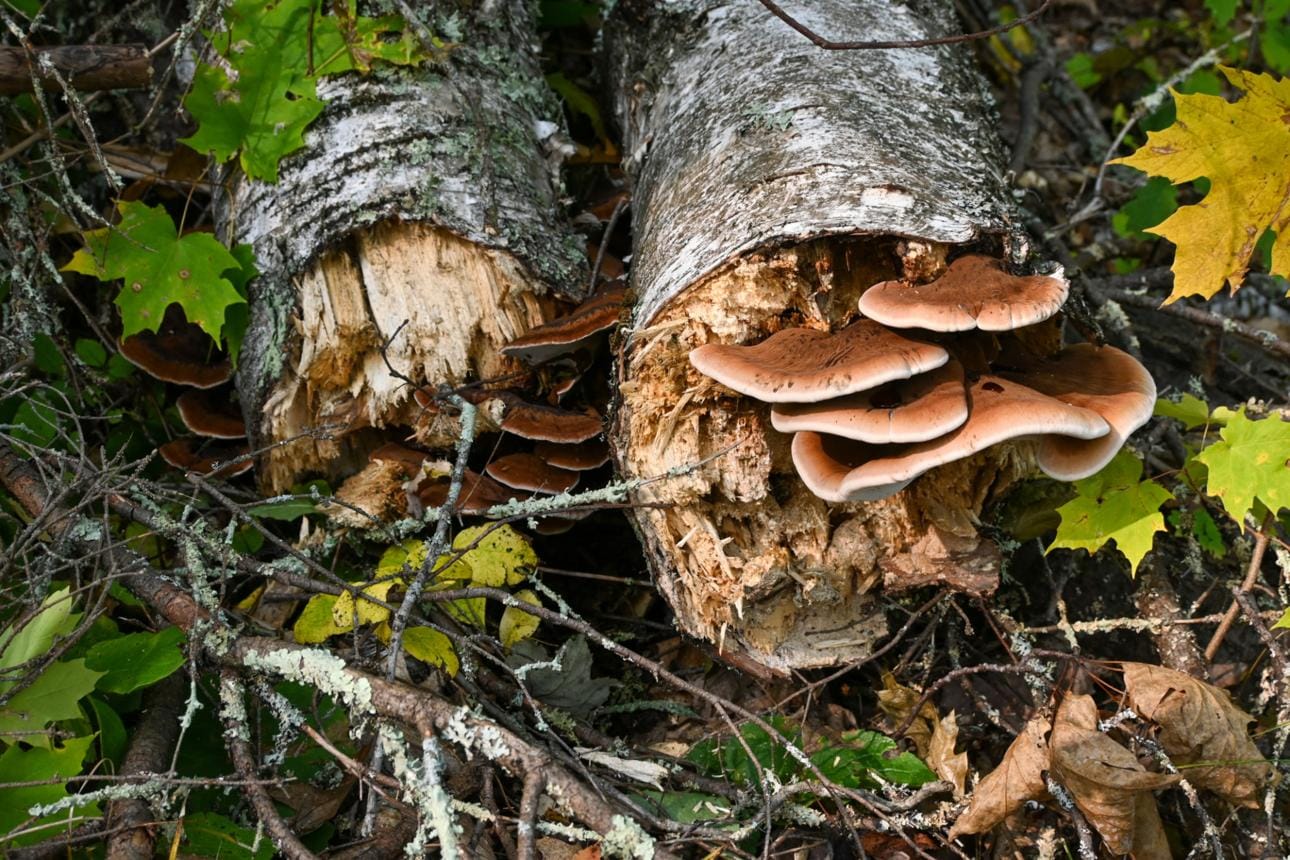
Fungi break down dead material and connect trees through underground networks (mycorrhizae), allowing them to share nutrients—sometimes even “helping” stressed trees.
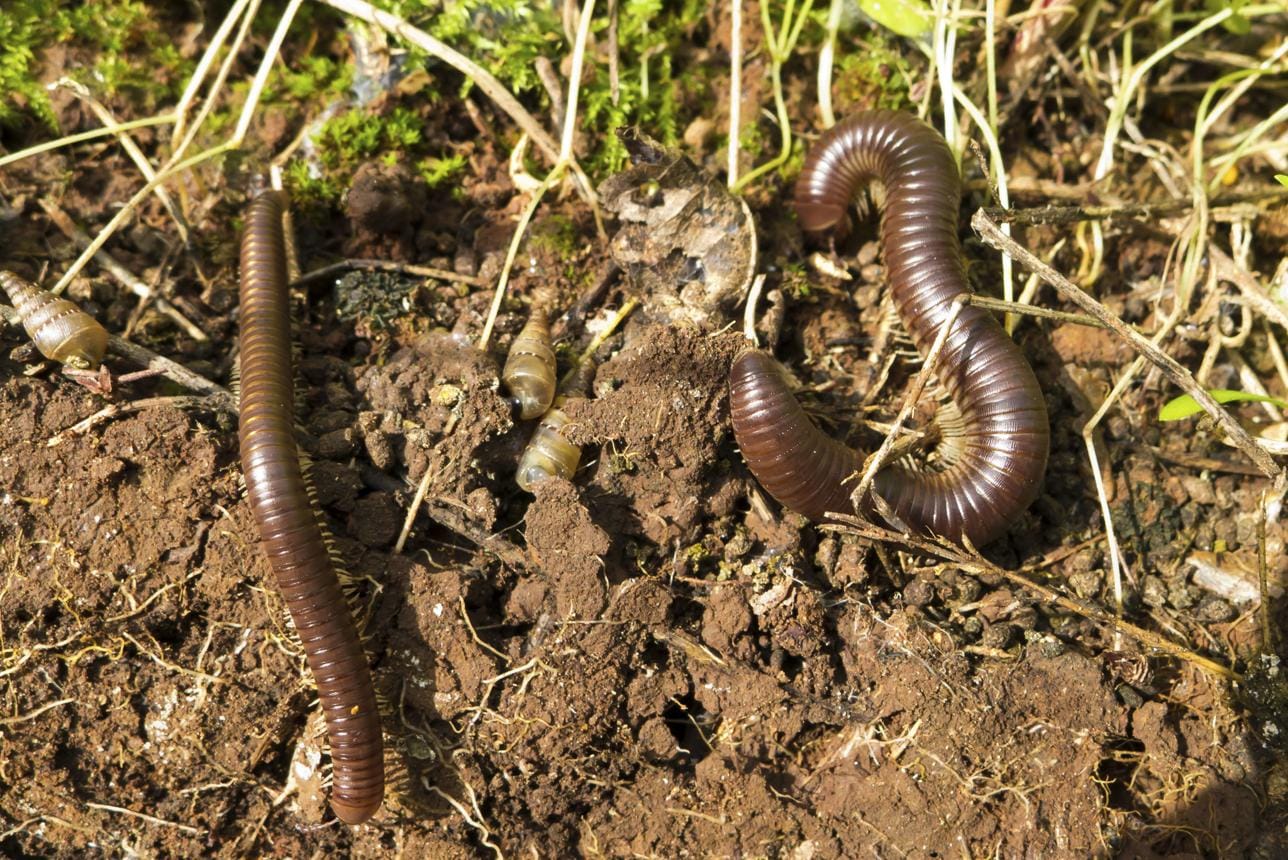
#3 🐜 Ant Hills & Insect Activity
Sign idea:
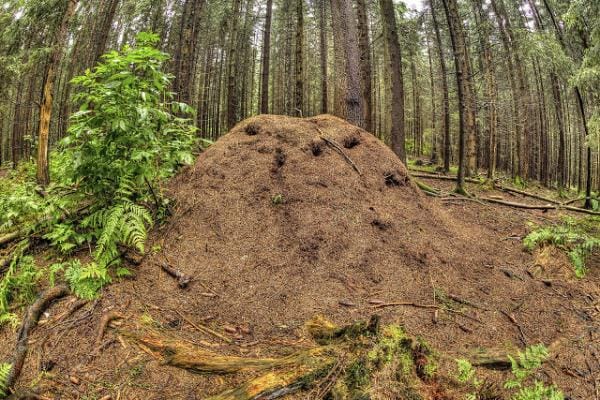
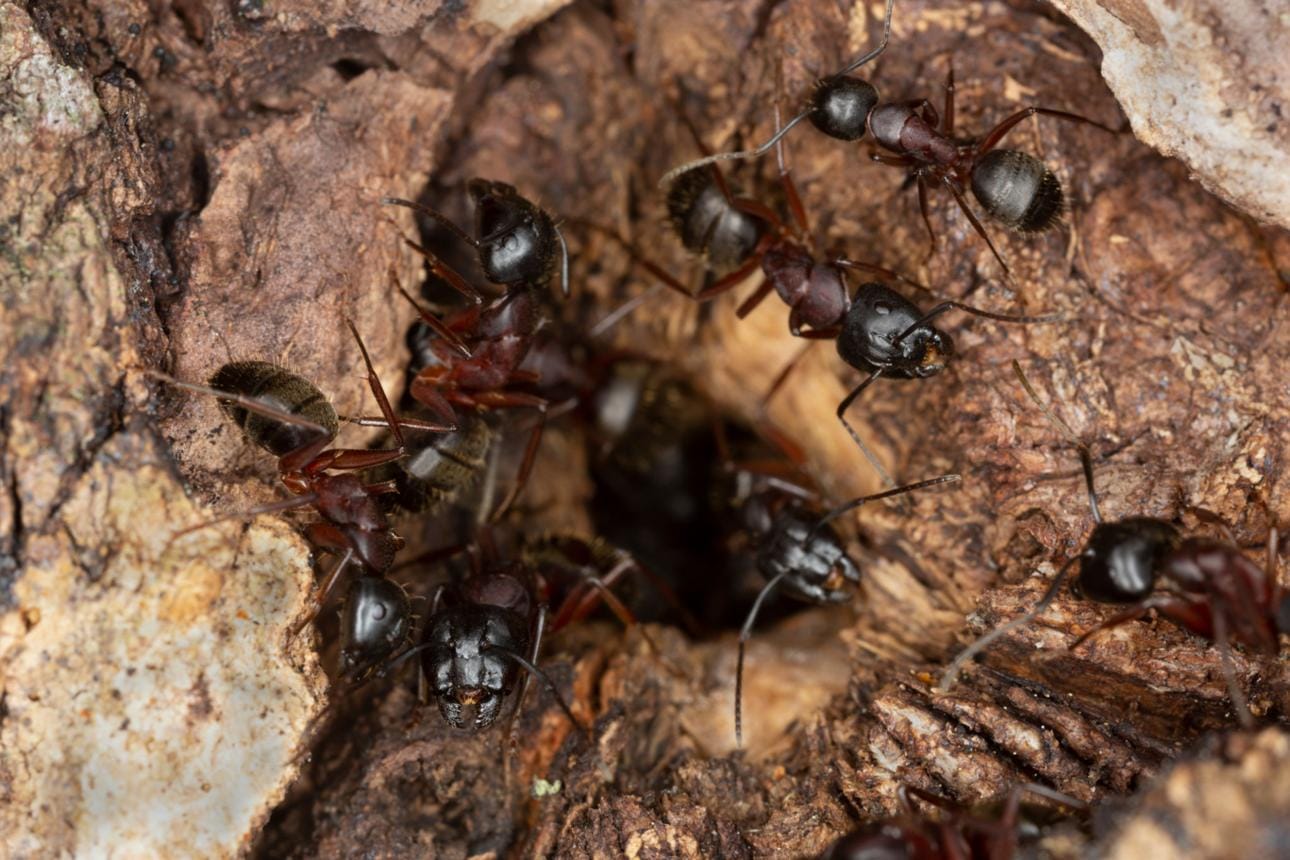
“Tiny engineers shaping the forest floor.”
Story angle:
Ants aerate soil, redistribute nutrients, and help seeds germinate. Some native plants even rely on ants to spread their seeds.

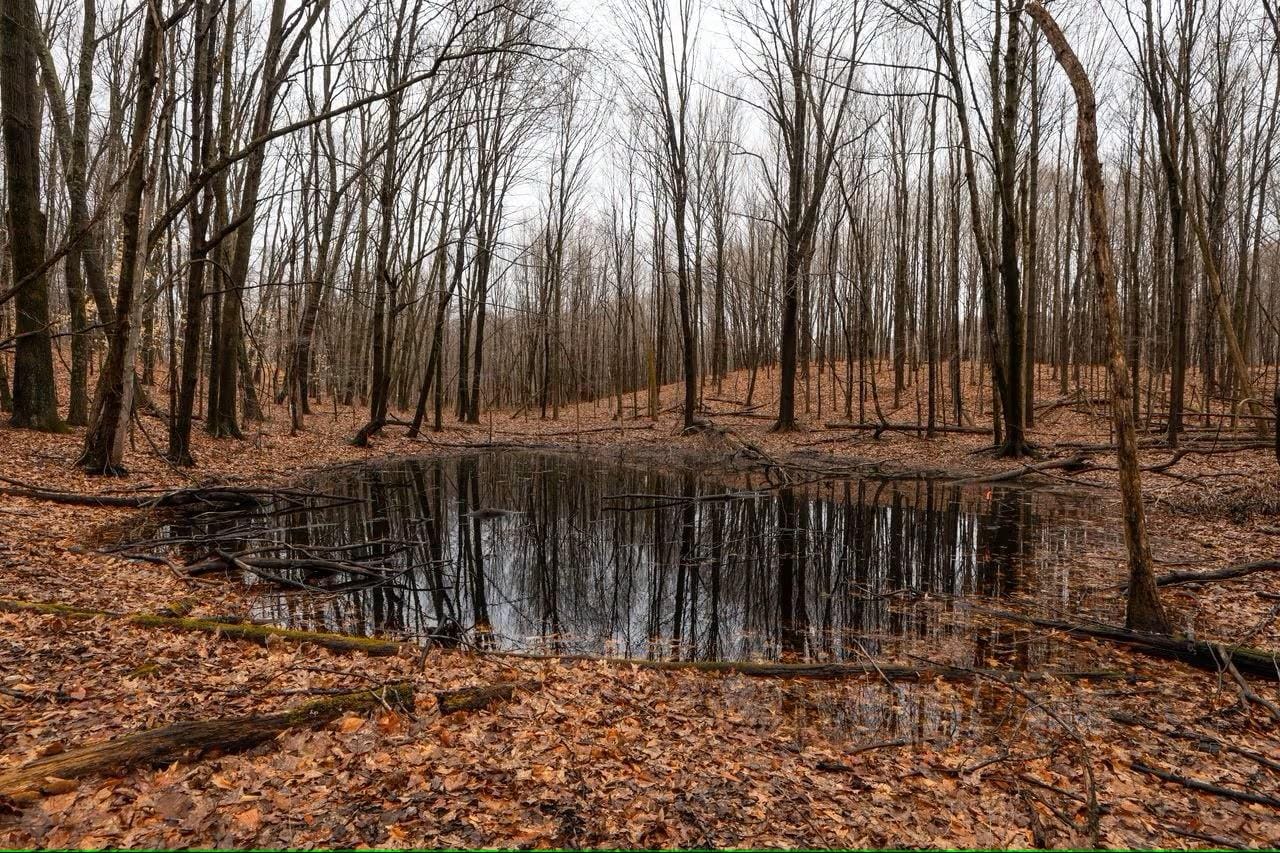
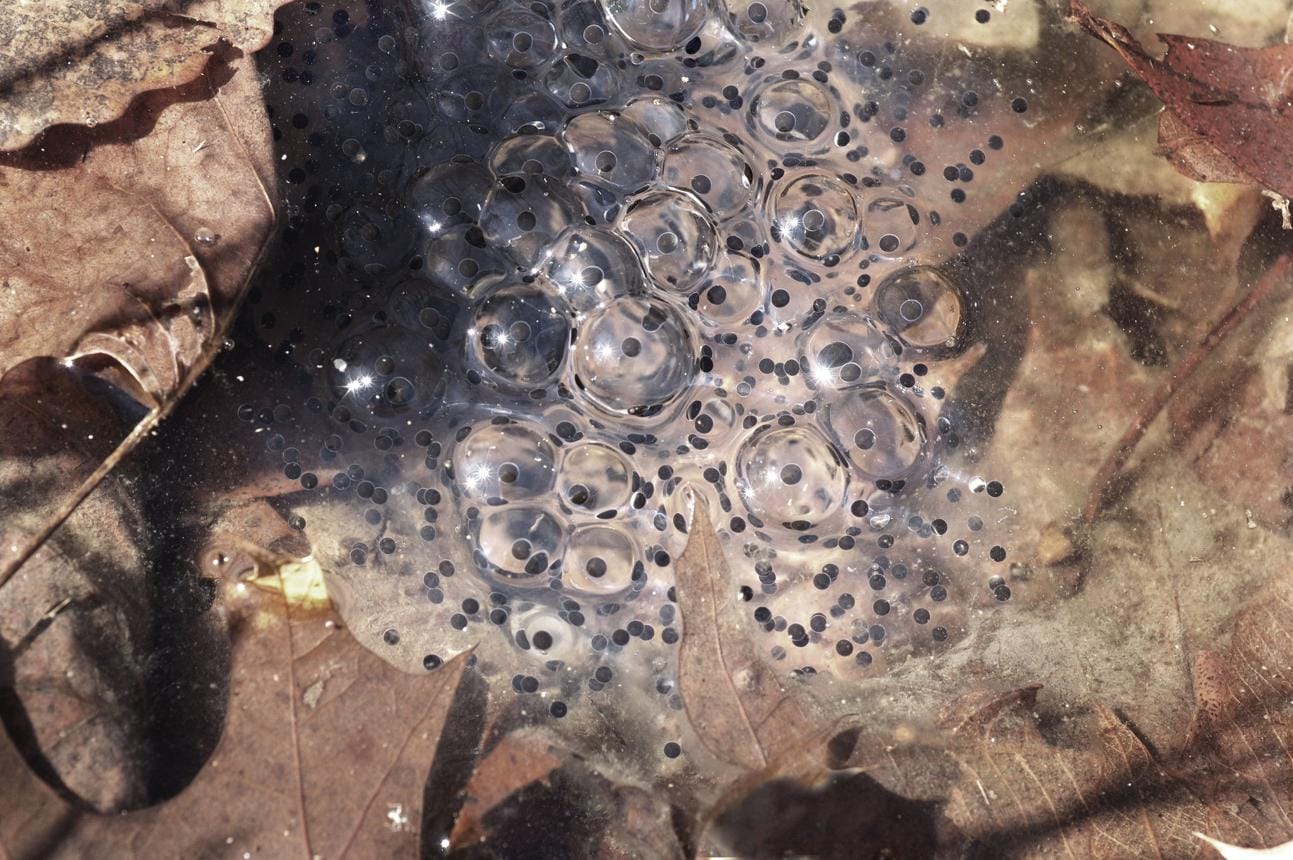
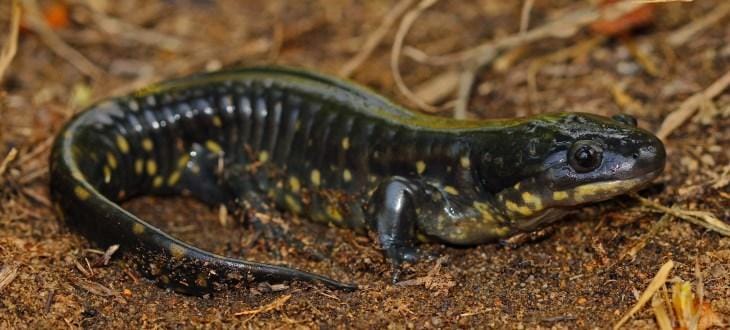
#4 - 🌿 Vernal Pools (Seasonal Wetlands)
Sign idea:
“A pond that appears—and disappears.”
Story angle:
These temporary pools fill in spring and dry by summer, making them safe breeding grounds for amphibians like wood frogs and salamanders (no fish predators).
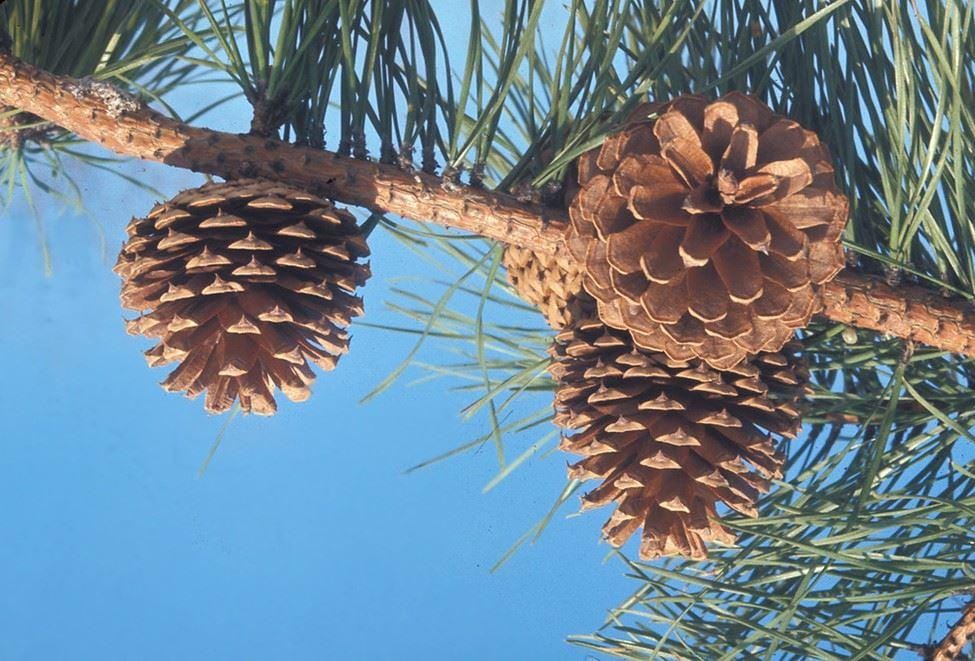
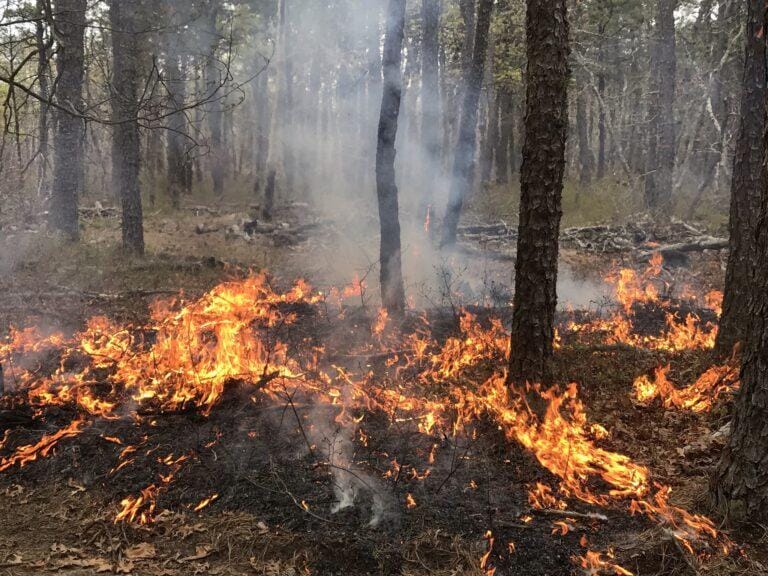
#5 - 🌲 Pitch Pine & Fire-Adapted Trees (Pinelands)
Sign idea:
“Built to survive fire.”
Story angle:
In the New Jersey Pine Barrens, pitch pines rely on fire. Their cones open with heat, releasing seeds after a burn—turning destruction into renewal.
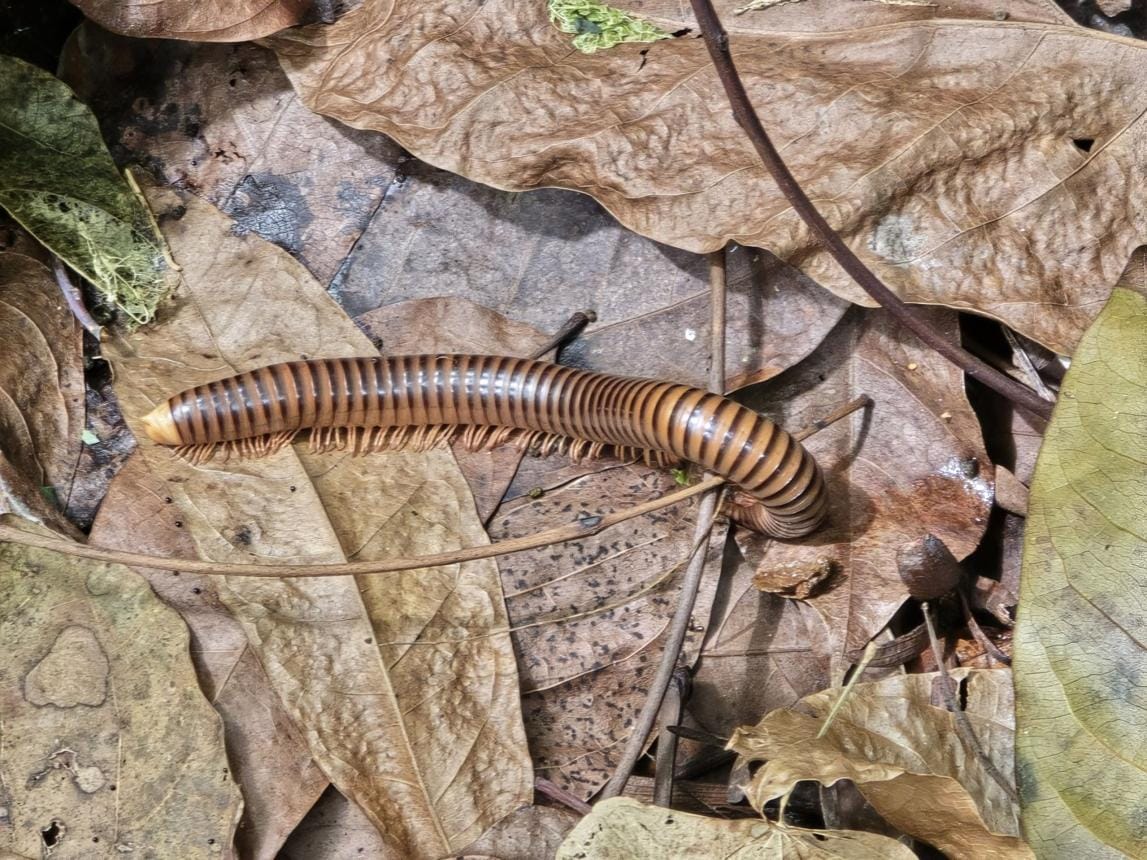
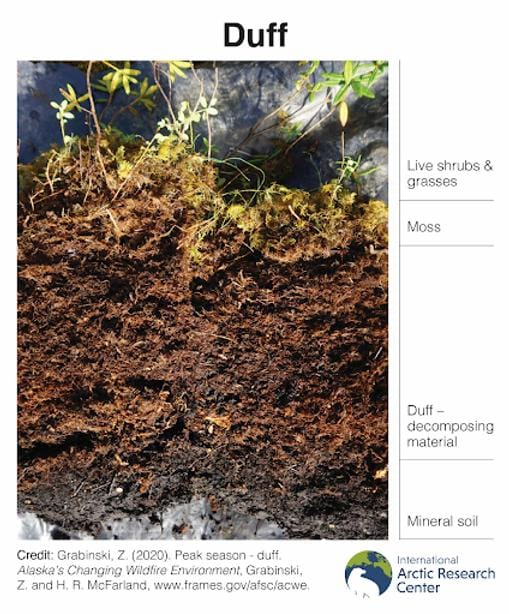
#6 - 🍂 Leaf Litter (The Forest’s Skin)

Sign idea:
“The ground is alive beneath your feet.”
Story angle:
That layer of leaves is a bustling ecosystem—home to insects, fungi, and microbes that recycle nutrients back into the soil.
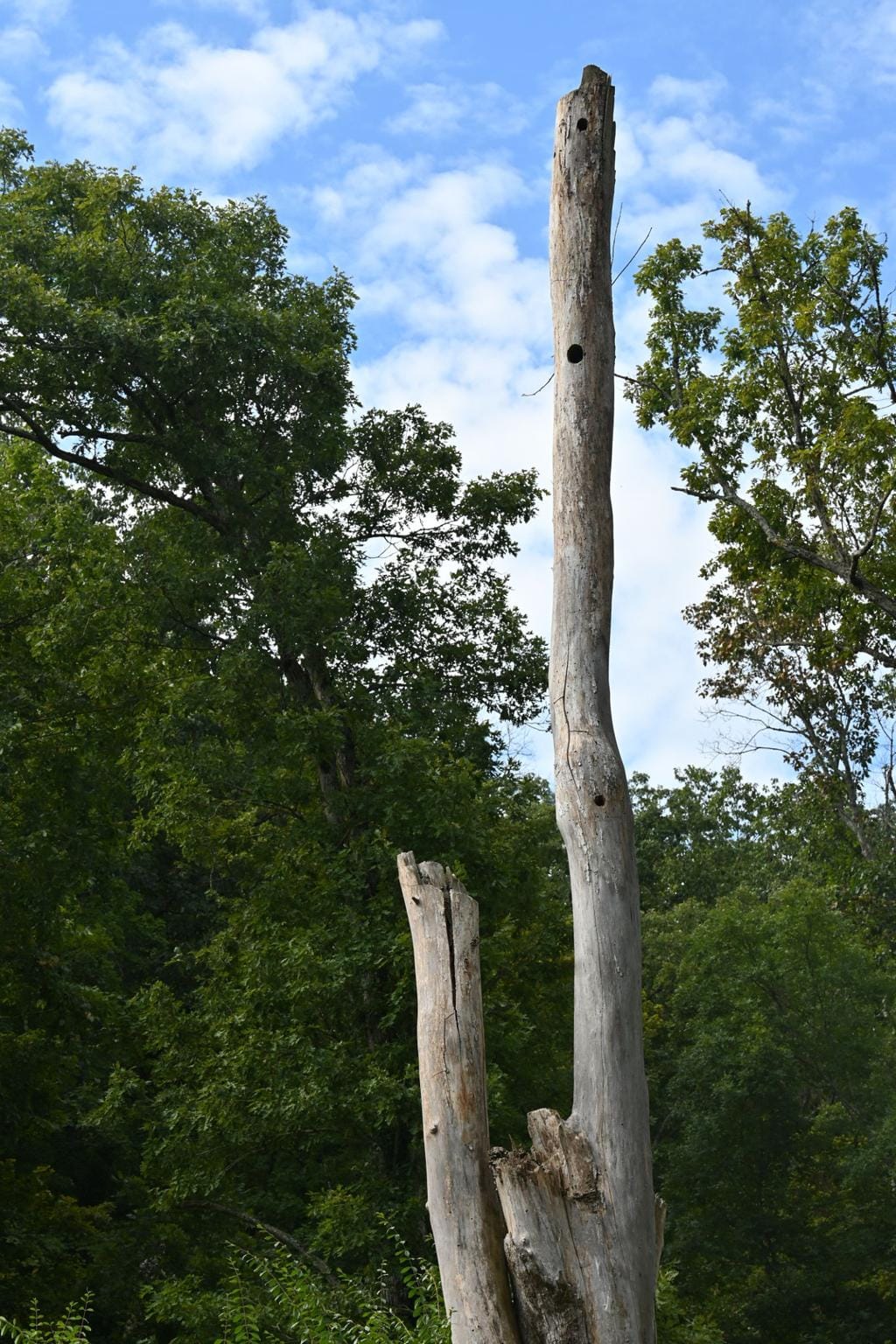
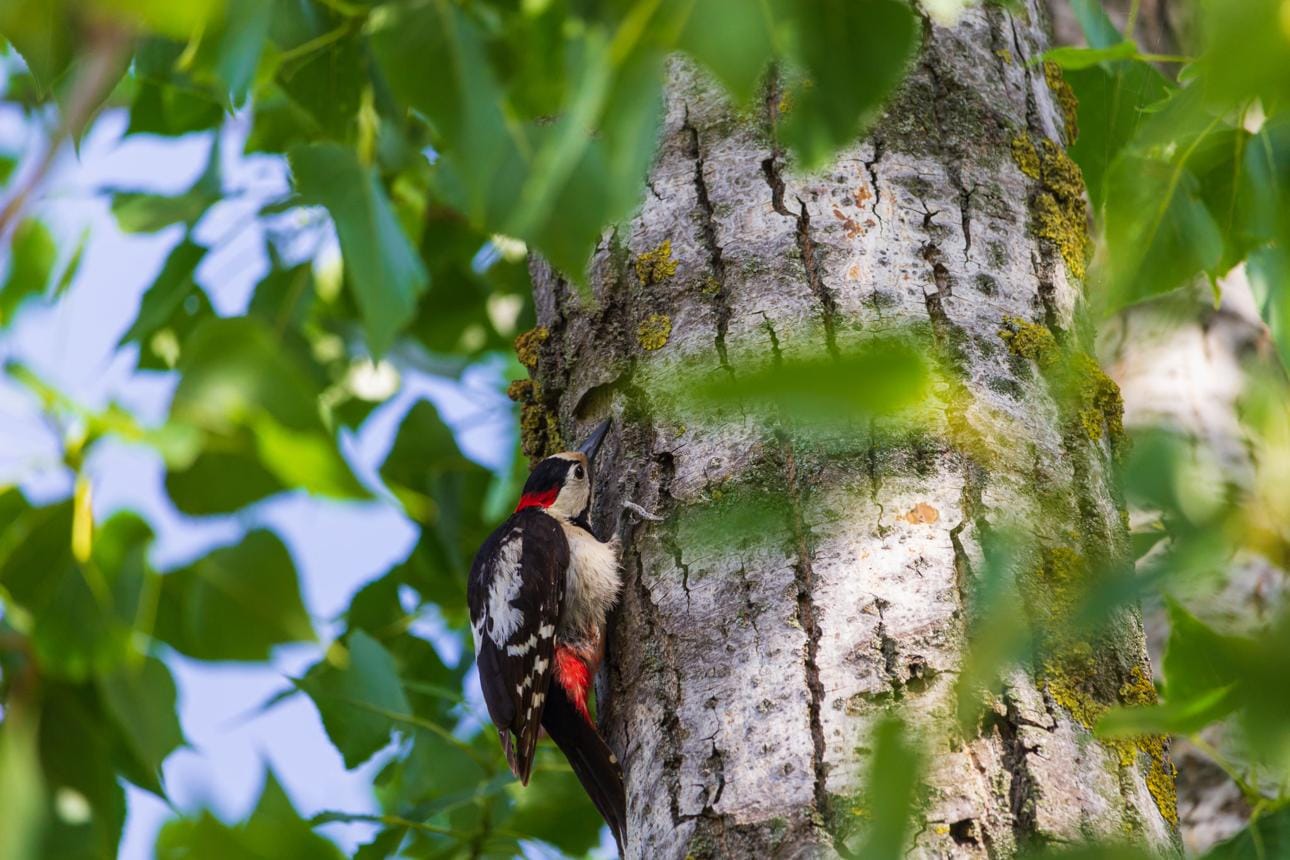
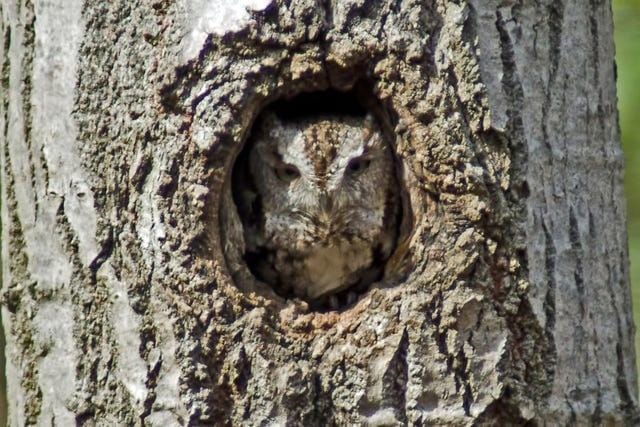
#7 - 🐦 Snags (Standing Dead Trees)
Sign idea:
“A dead tree full of life.”
Story angle:
Snags provide nesting holes for birds like woodpeckers and owls, plus food for insects. Removing them reduces habitat.
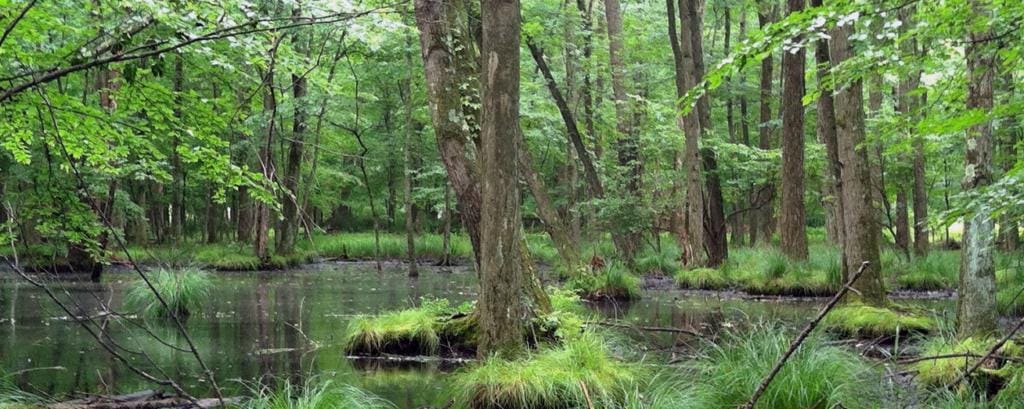
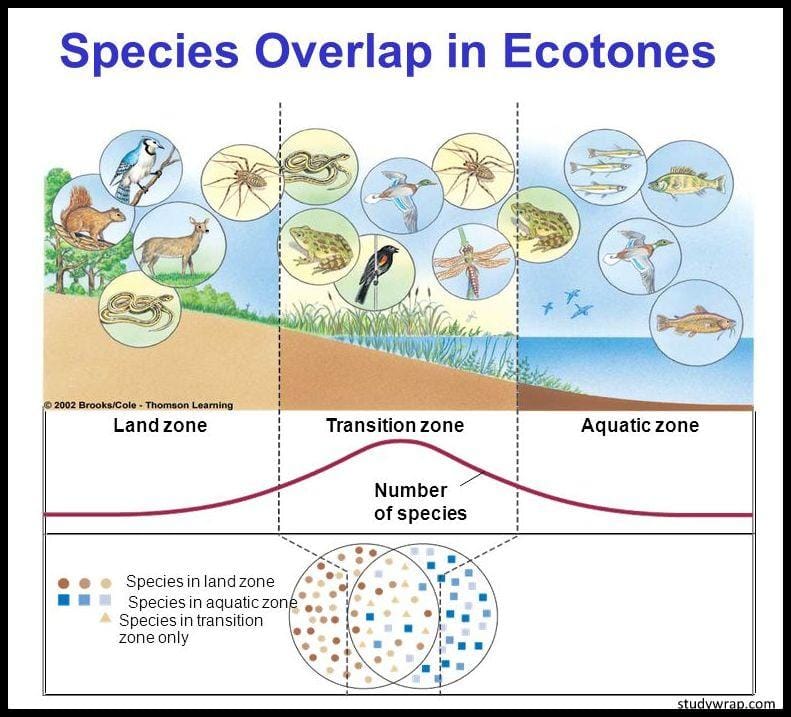
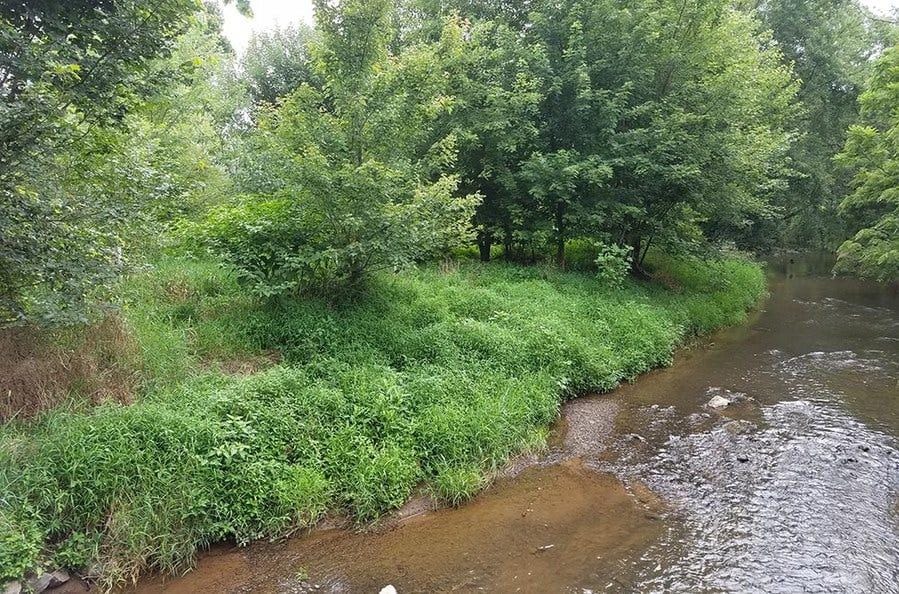
#8 - 🌊 Wetland Edges & Transition Zones
Sign idea:
“Where two worlds meet.”
Story angle:
These “edges” (ecotones) are biodiversity hotspots—supporting more species than either habitat alone.
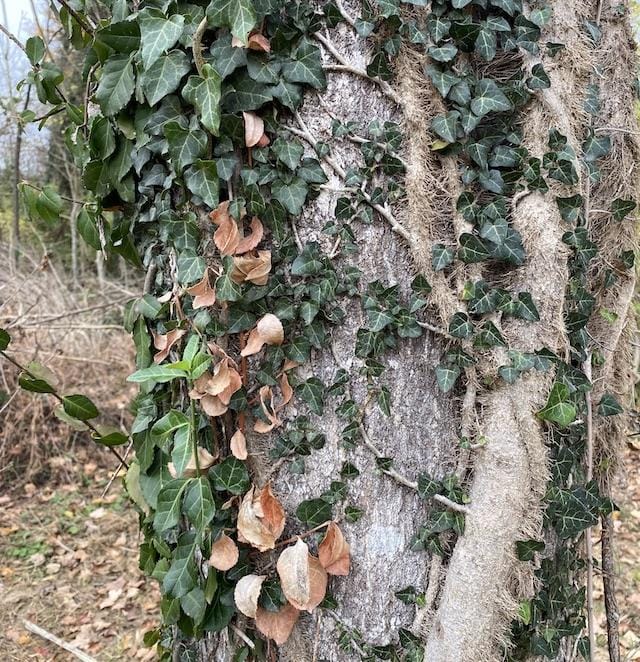
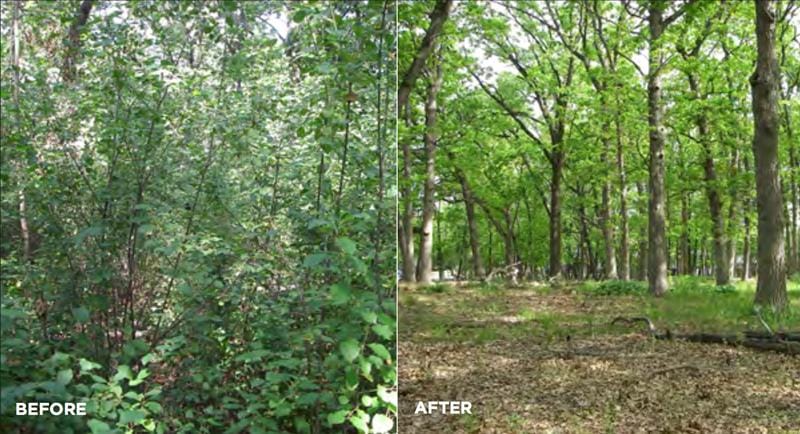
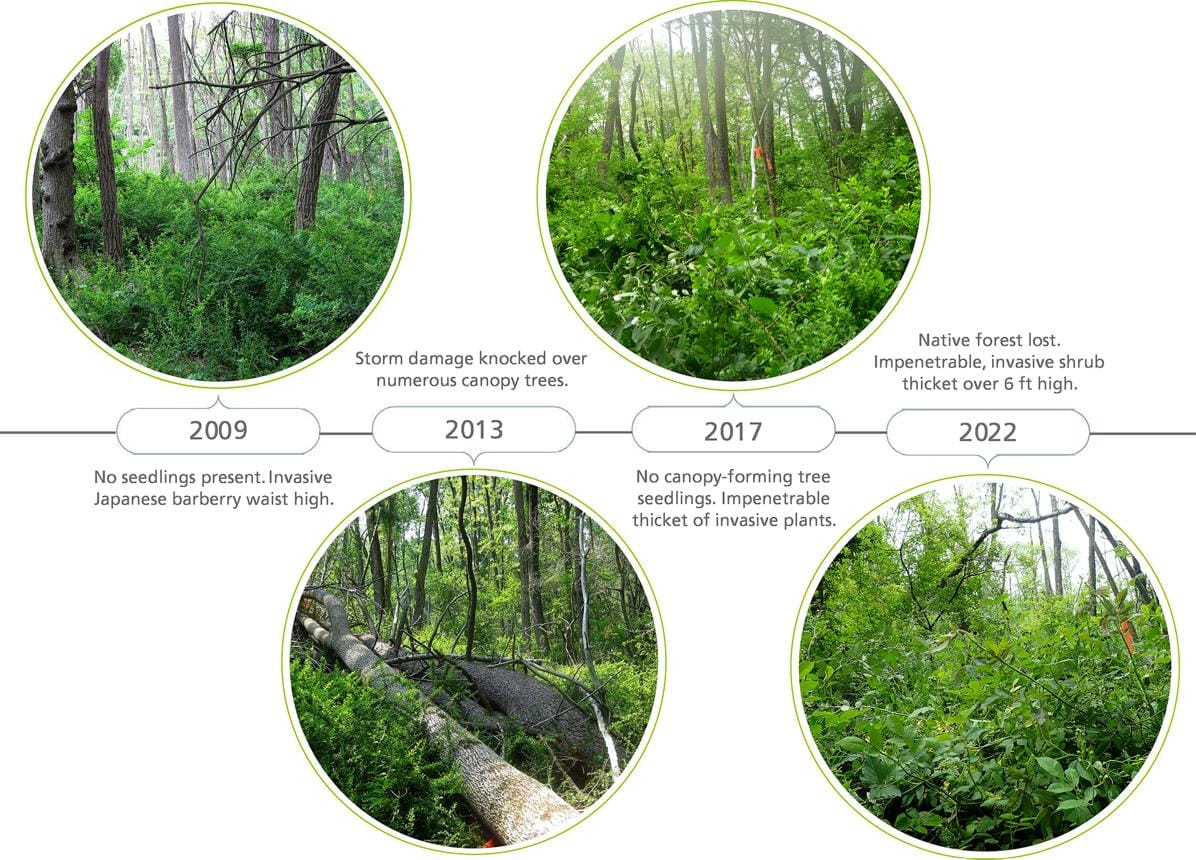
#9 - 🍇 Native vs. Invasive Plants
Sign idea:
“Not all plants belong here.”
Story angle:
Invasive species like Japanese barberry crowd out natives, altering soil chemistry and even increasing tick populations in NJ forests.
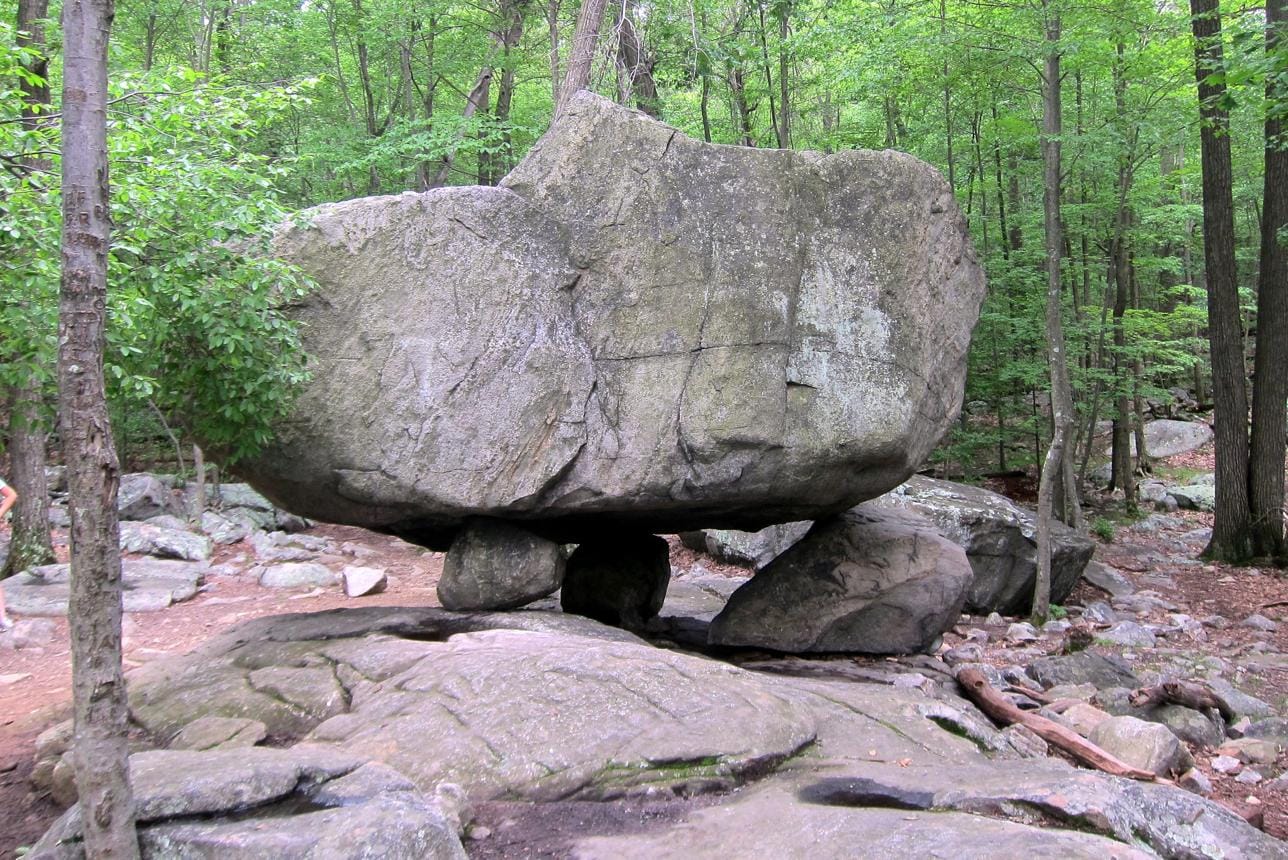
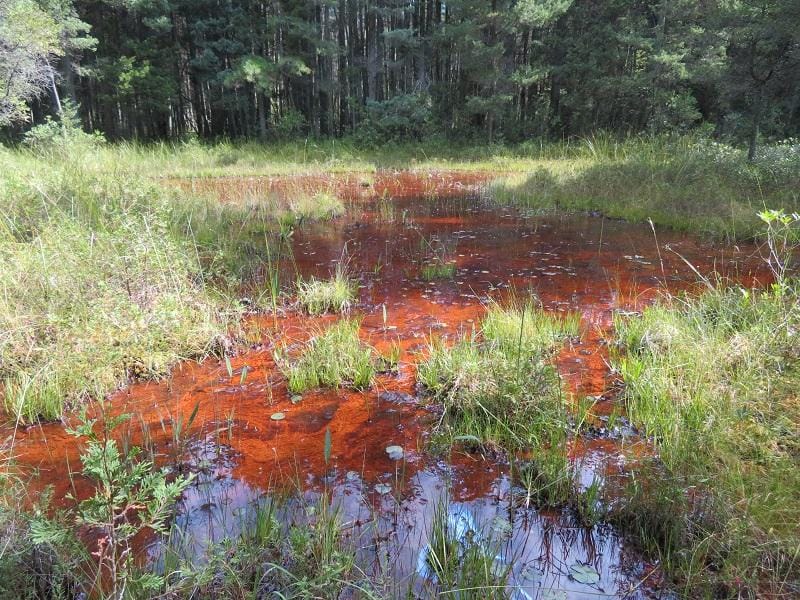
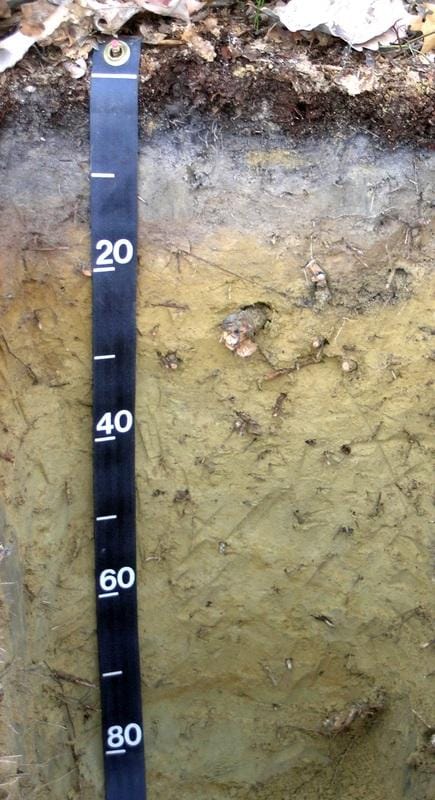
#10 - 🪨 Glacial Rocks & Sandy Soil (NJ Geology)
Sign idea:
“This land tells an ancient story.”
Story angle:
Much of NJ’s landscape was shaped by glaciers and coastal processes. Sandy, nutrient-poor soils in the Pine Barrens explain why only certain plants thrive.
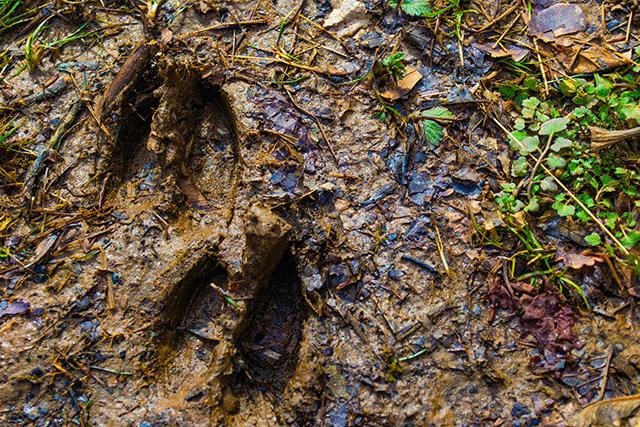
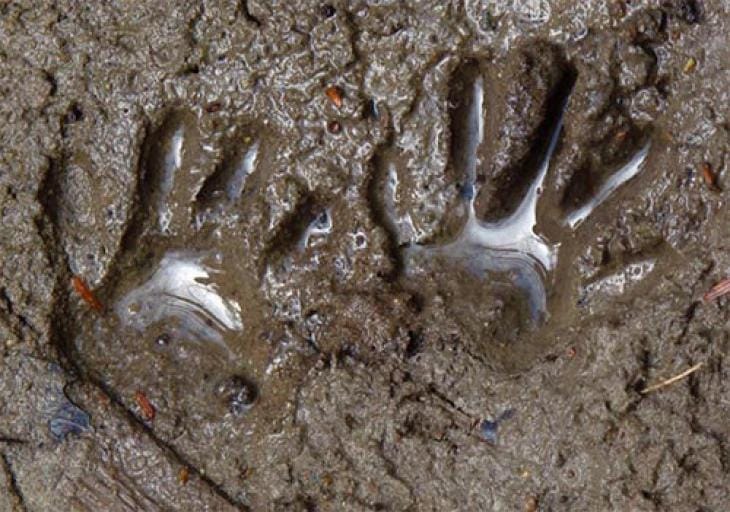
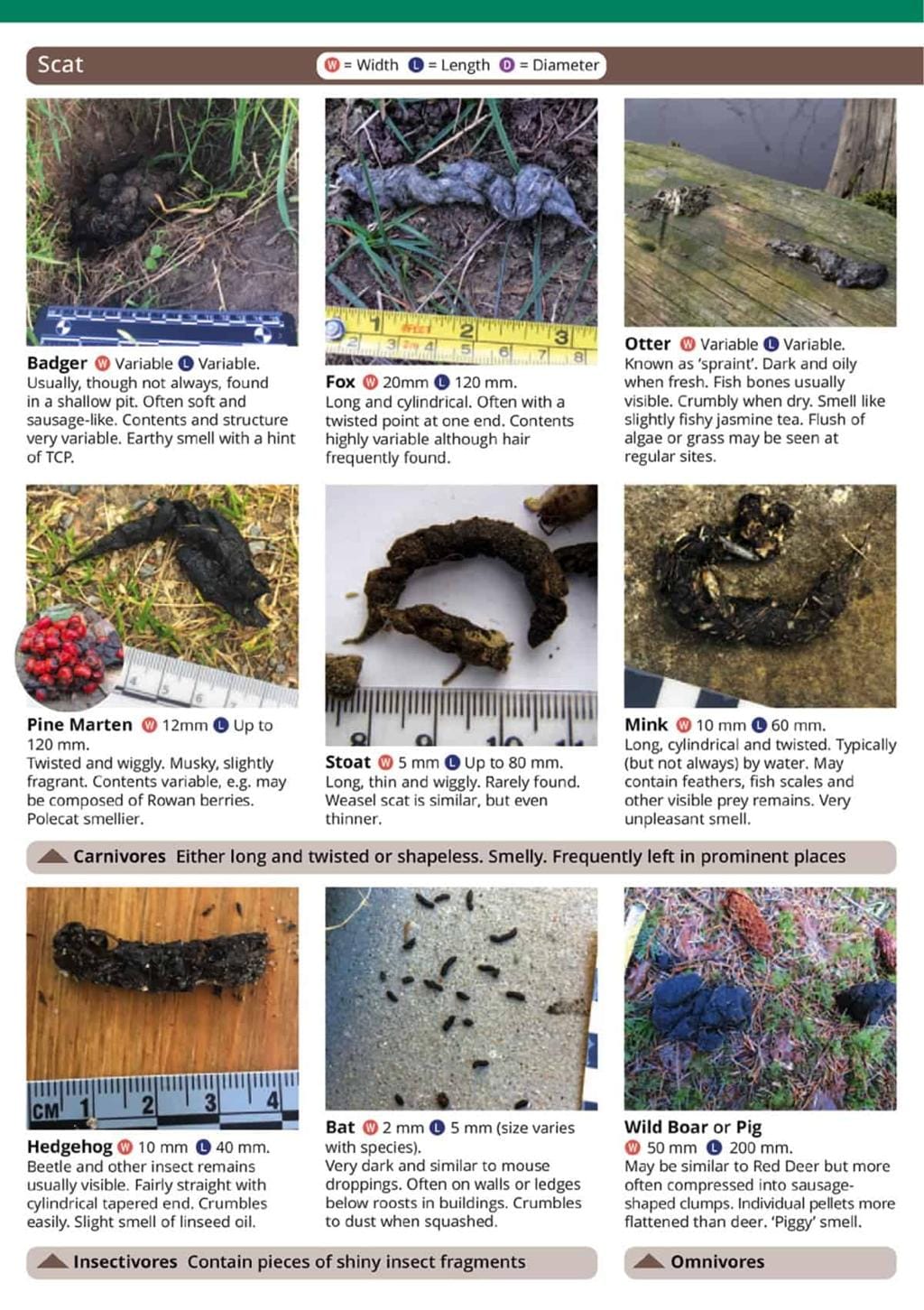
#11 - 🦌 Animal Tracks & Subtle Wildlife Signs
Sign idea:
“Who passed by before you?”
Story angle:
Tracks, scat, and chewed plants tell stories of unseen wildlife—white-tailed deer, foxes, raccoons—active mostly when humans aren’t around.
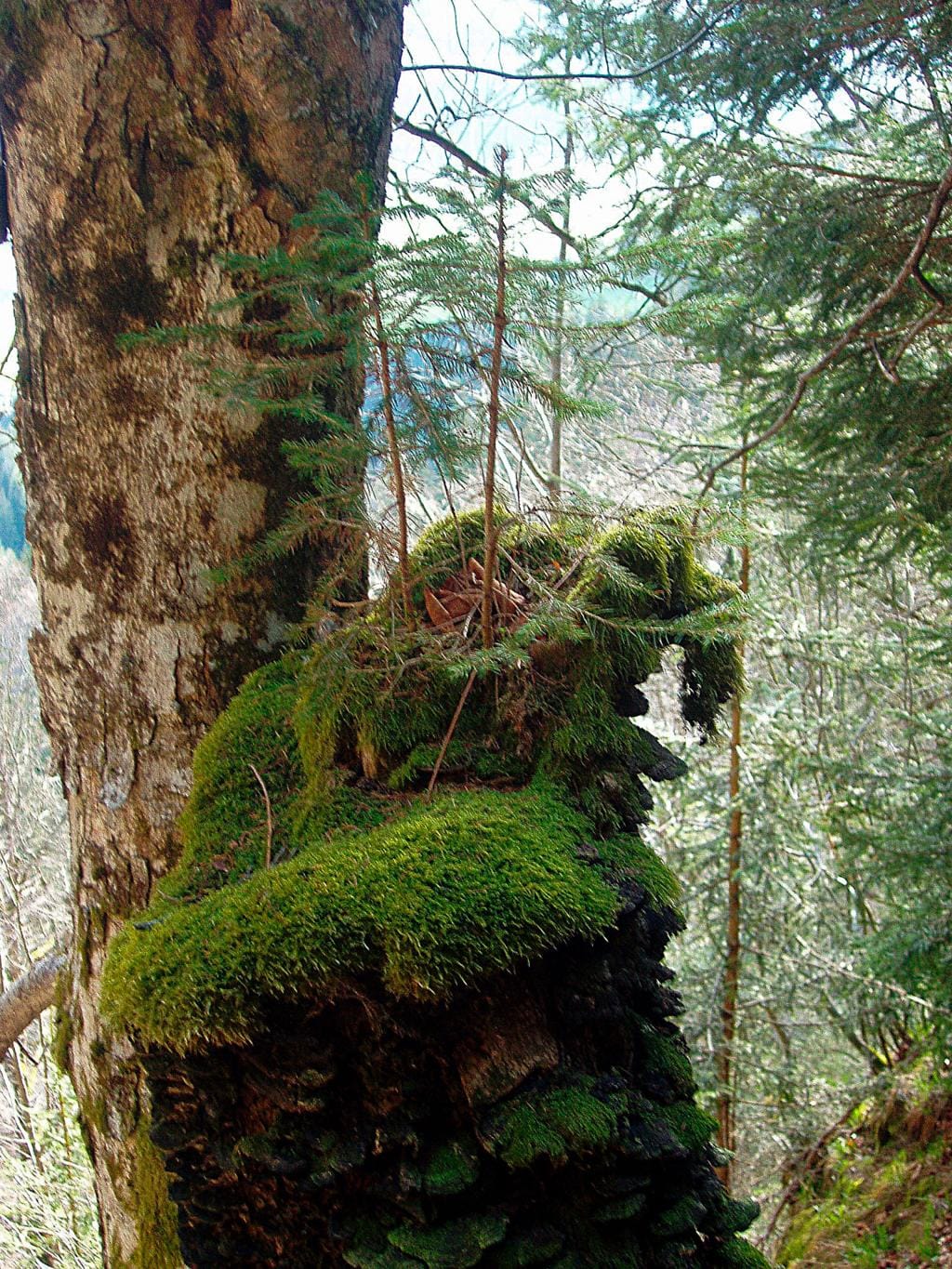
#12 - 🌿 Moss & Lichens (Air Quality Indicators)
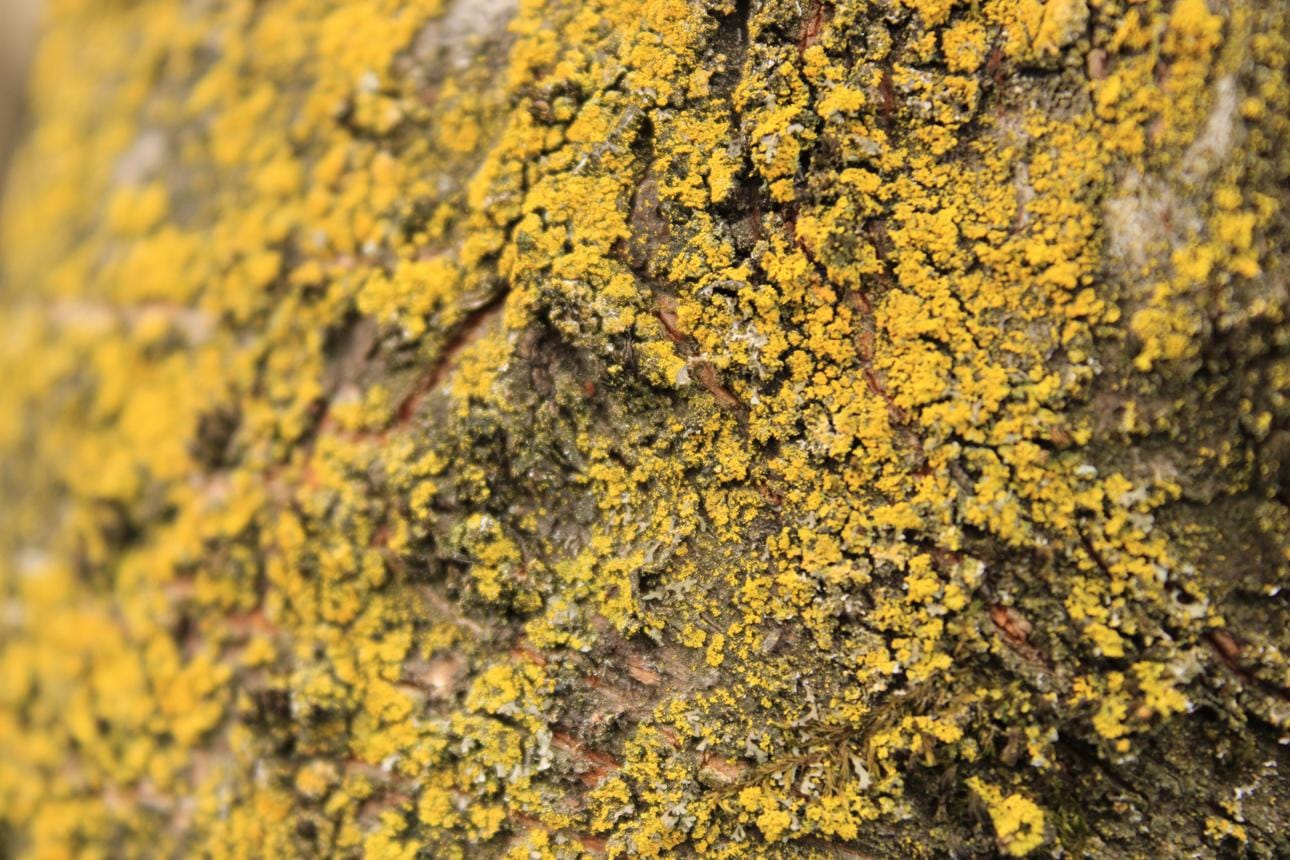
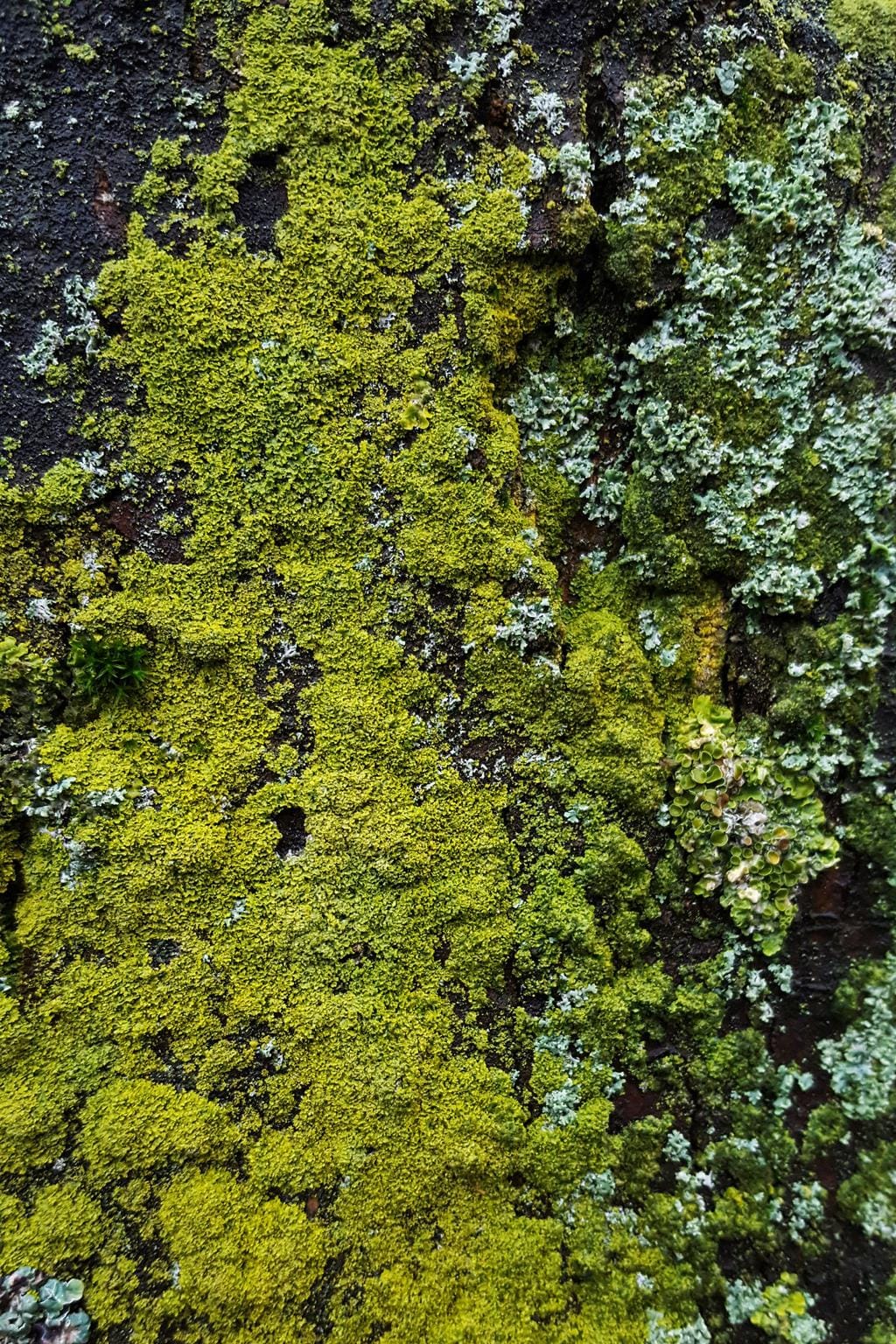
Sign idea:
“Nature’s air-quality monitors.”
Story angle:
Lichens absorb nutrients from the air, making them sensitive to pollution. Their presence often indicates cleaner air.
#13 - 🌱 Young Forest / Regrowth Areas
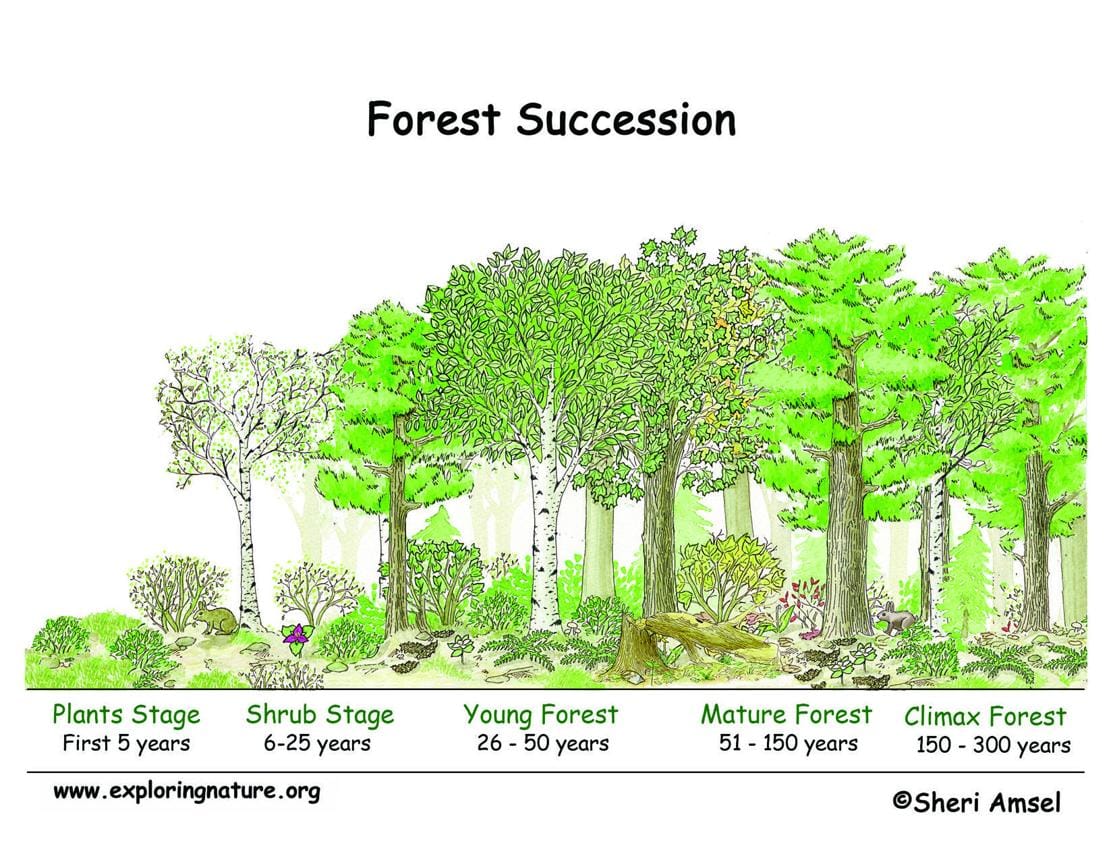
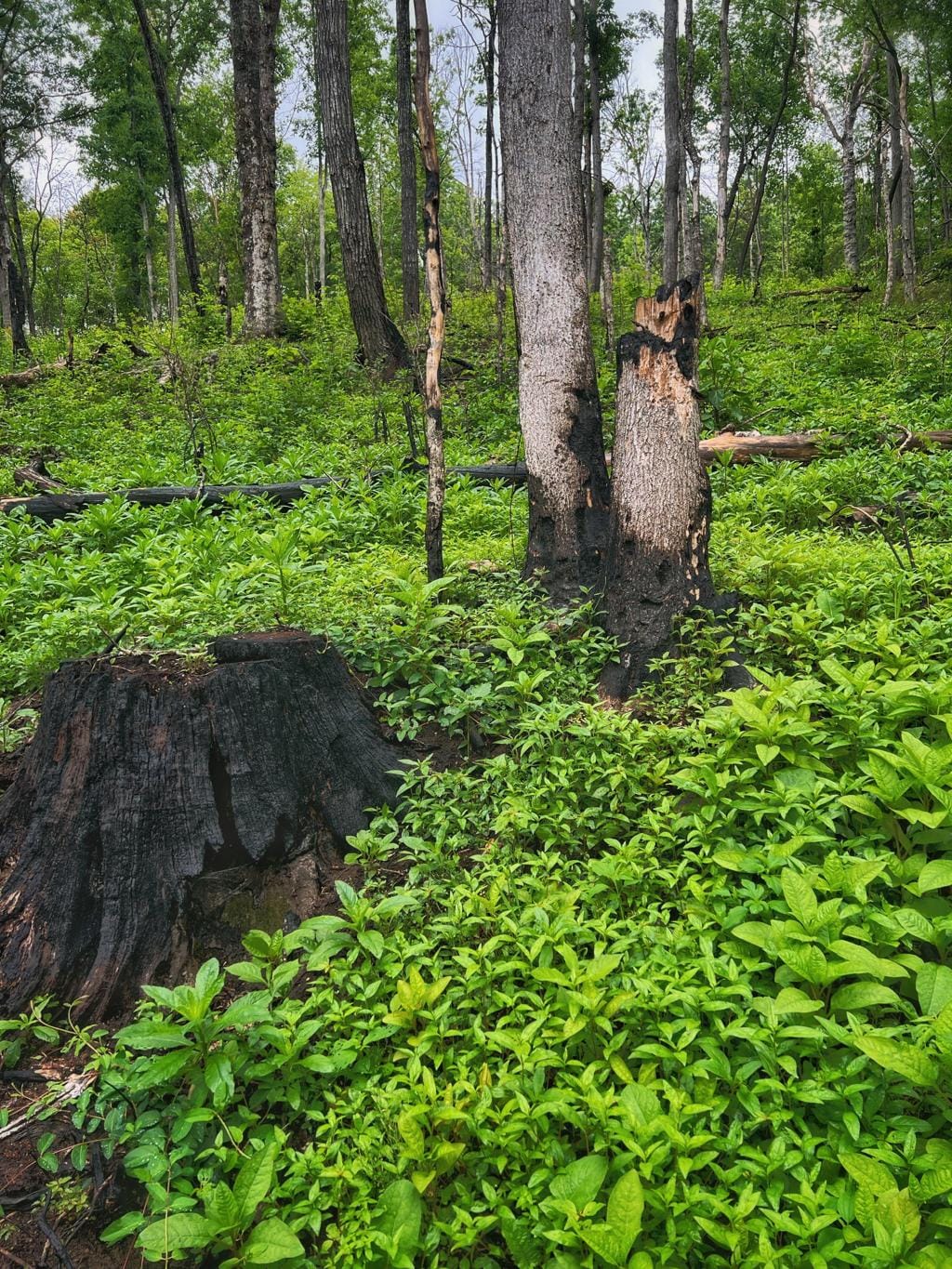
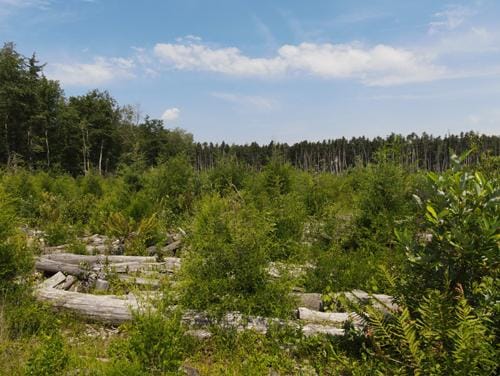
Sign idea:
“A forest in transition.”
Story angle:
Not all forests are old—young forests support species like certain birds and pollinators that need dense, shrubby habitat.